Blog Post
Author Dr. Osama
June 15, 2023

The Future of Healthcare Management: AI Integration

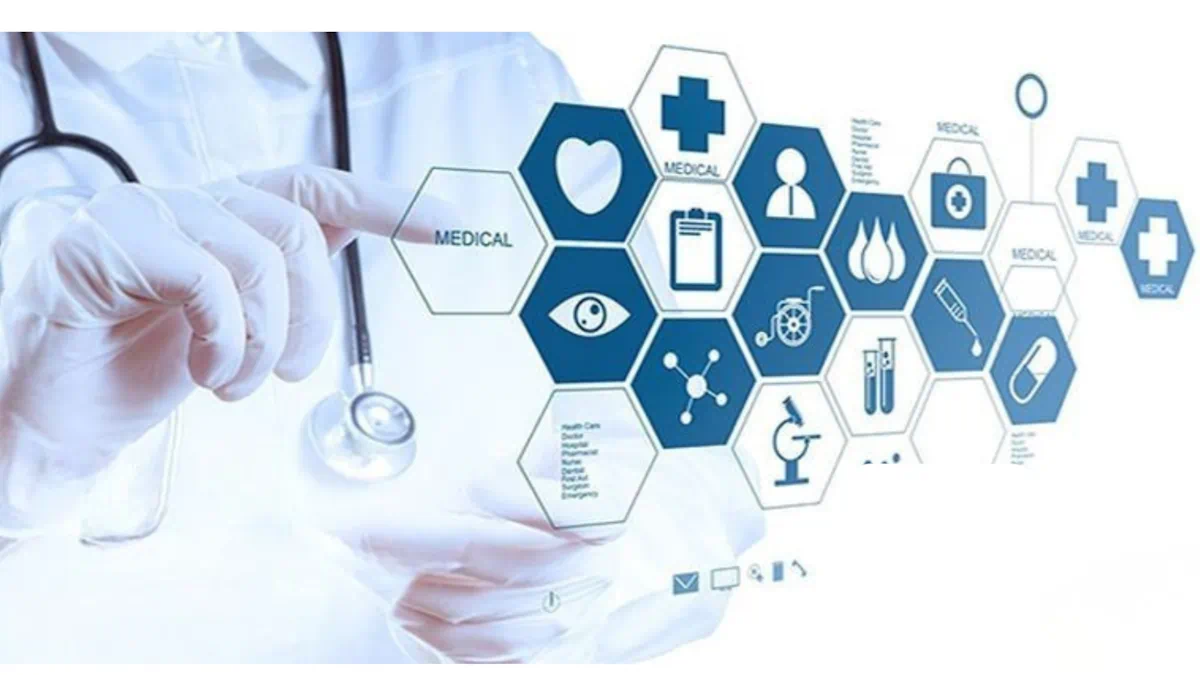
Artificial Intelligence (AI) is reshaping healthcare management by enabling smarter, data-driven decisions. AI-powered systems can predict patient flow, optimize resource allocation, and assist in early disease detection. From automated reporting to intelligent clinical decision support, AI reduces administrative burden and enhances accuracy. As AI continues to evolve, healthcare organizations will achieve greater efficiency, reduced costs, and improved quality of care.

AI Healthcare Tech Innovation
Blog Post
Author Salman Ahmed
June 10, 2023

Improving Patient Experience with Digital Solutions

Digital solutions are transforming how patients interact with healthcare providers. Online appointment booking, electronic medical records (EMR), and digital check-ins reduce waiting times and eliminate paperwork. Patients can easily access reports, prescriptions, and follow-up instructions through secure portals. By streamlining communication between doctors, labs, and pharmacies, digital tools ensure faster decision-making and more personalized care. This results in higher patient satisfaction, improved trust, and better overall healthcare outcomes.

Patient Experience Digital Health
Blog Post
Author Ali Asghar
June 5, 2023

Data Security in Healthcare: Best Practices

Healthcare organizations handle sensitive patient data, making data security a top priority. Implementing strong access controls, data encryption, and regular system audits helps protect information from breaches. Best practices also include staff training, secure cloud infrastructure, and compliance with healthcare regulations. A robust data security strategy not only safeguards patient privacy but also strengthens trust and institutional credibility.

Security Data Protection Compliance
Blog Post
Author Javed Tiwana
May 28, 2023

Optimizing Hospital Operations with ERP Systems

Enterprise Resource Planning (ERP) systems play a crucial role in optimizing hospital operations. By integrating finance, HR, inventory, and clinical workflows into one platform, ERP systems improve coordination and transparency. Hospitals benefit from better resource utilization, reduced operational costs, and real-time reporting. An effective ERP system enables healthcare providers to focus more on patient care while maintaining operational excellence.

Hospital Management ERP Operations
Blog Post
Author Suleman Shah
May 20, 2023

Digital Transformation in Laboratories and Diagnostics

Digital transformation is revolutionizing laboratory and diagnostic services. Automated lab systems, integrated with EMR platforms, reduce manual errors and speed up test processing. Doctors receive real-time results, enabling quicker and more accurate diagnoses. By adopting digital lab management solutions, healthcare providers improve efficiency, ensure data accuracy, and enhance patient trust through timely and reliable reporting.

Telemedicine Virtual Care
Blog Post
Author Umar Faheem
May 15, 2023

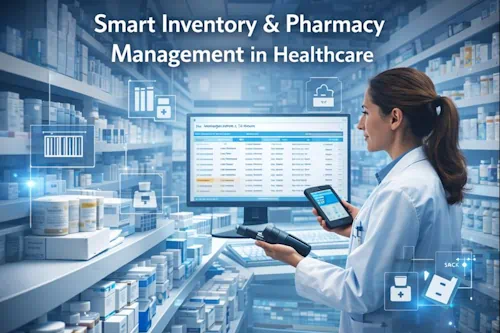
Smart Inventory & Pharmacy Management in Healthcare

Efficient inventory and pharmacy management is critical for uninterrupted patient care. Smart digital systems track medicine stock levels, expiry dates, and consumption patterns in real time. These solutions prevent shortages, reduce wastage, and ensure regulatory compliance. As a result, hospitals achieve better cost control, faster dispensing, and improved patient safety.

Case Study Success Story Transformation

Ready to Transform Your Healthcare Management?

Join hundreds of healthcare facilities already using xMed to streamline operations